Source Waterproof Windproof Bike Cover for Mountain Road Kids Bikes
Compare 30 listings of waterproof windproof bike cover options from Chinese manufacturers. Buyers can evaluate features like UV protection, fabric types, and customization availability for ordinary, mountain, and road bikes.
Key considerations
Products List


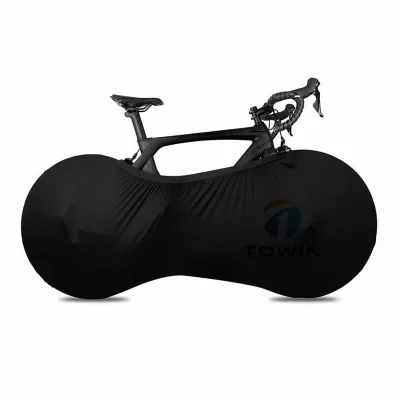
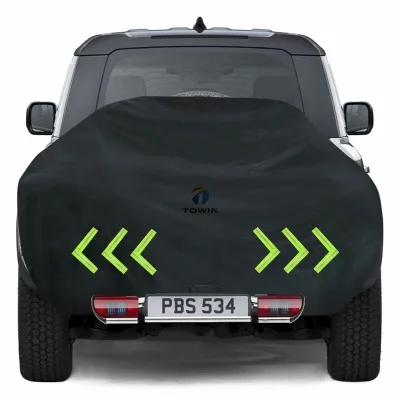
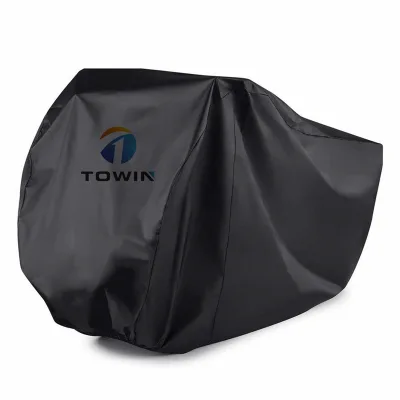


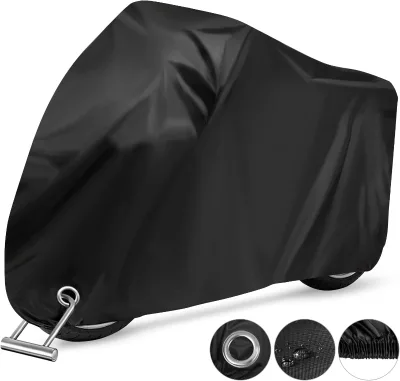
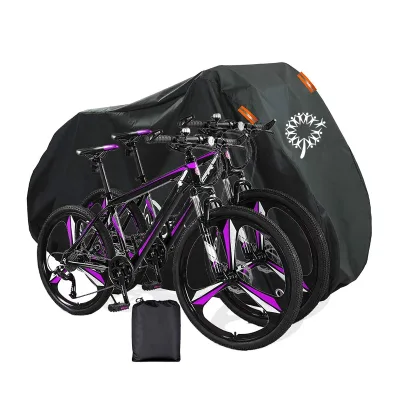
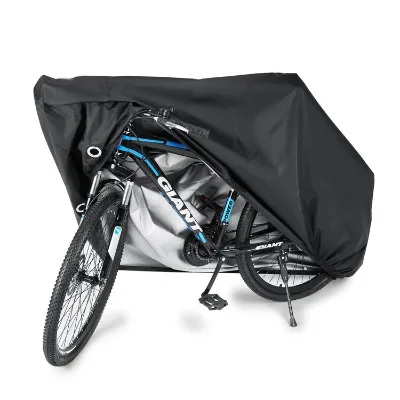
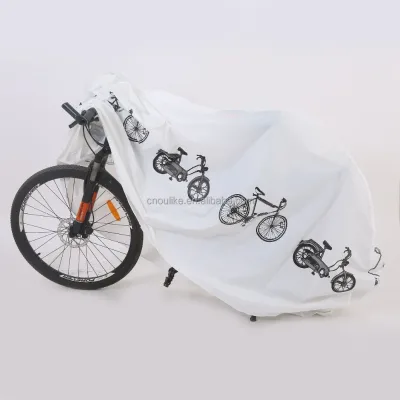
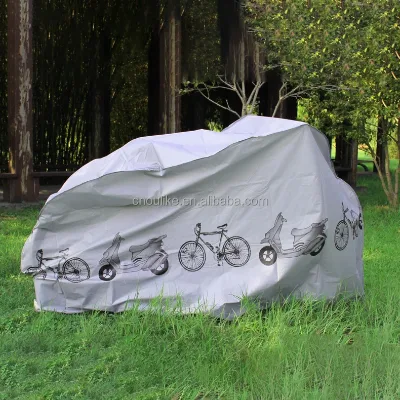
Comprehensive Sourcing Guide
Strategic Sourcing Guide for Waterproof Windproof Bike Covers
Understanding Technical Specifications and Material Composition
When sourcing waterproof windproof bike covers, the primary objective is to identify products that offer robust protection against environmental elements while maintaining durability over time. The market offers a variety of configurations, ranging from foldable designs to specific models tailored for indoor or outdoor storage. A critical technical observation from current product listings indicates that effective covers often feature dimensions such as 21080110cm or alternative sizing standards like L, XL, and XXL to accommodate different bicycle types. Buyers must verify that the stated size corresponds to the specific dimensions of their inventory, whether it involves ordinary bicycles, mountain bikes, road bikes, or even kids' bikes.
The material composition is a decisive factor in performance. Listings frequently cite "Non-Woven" and "Woven" fabric types, with Polyester emerging as a specific material option for certain high-quality units. The choice between these materials influences the cover's breathability, weight, and resistance to tearing. For instance, a woven polyester construction often provides superior tensile strength compared to non-woven alternatives, which may be lighter but less durable under heavy wind loads. Additionally, the weight of the product is a logistical consideration; observed specifications list weights around 1kg, which impacts shipping costs and handling ease.
Functionality extends beyond simple water resistance. High-performance covers are engineered with multi-layered functions including UV protection, dust windproofing, and anti-scratch capabilities. These features are essential for preserving the finish of the bicycle frame and components. The presence of a "Customized Logo" and "Customized" attributes suggests that buyers can tailor the product for branding purposes, which is particularly valuable for fleet operators or retail distributors. However, the core technical requirement remains the integrity of the waterproof and windproof seal, ensuring that moisture and debris cannot penetrate the storage environment.
Compliance, Certification, and Quality Standards
Navigating the compliance landscape is essential for B2B procurement, particularly when importing goods from international markets. Current data points to the existence of specific certifications such as ISO and CE, which serve as indicators of adherence to international management and safety standards. While the presence of "ISOCE" or separate "ISO, CE" tags in product descriptions suggests a level of regulatory alignment, buyers must treat these as observations rather than guaranteed universal attributes for every listed item. Verification of the specific certificate number and the issuing body is a necessary step before finalizing a contract.
The standardization of product dimensions and performance is another area requiring careful scrutiny. Product standards are sometimes listed alongside physical dimensions, such as "21080110cm" or "190x65x98cm," which can create confusion between a standard size and a formal compliance standard. Buyers should distinguish between physical specifications and regulatory standards. Furthermore, the condition of the product is consistently listed as "New," which is a baseline expectation for procurement. However, the "Eco-Friendly" feature noted in some listings adds a layer of environmental compliance that may be relevant for companies with sustainability mandates.
In the absence of explicit test data or third-party laboratory results in the provided context, buyers must rely on the supplier's ability to provide documentation upon request. The "Made-to-Order" supply type implies that production processes can be tailored, but it also necessitates a rigorous quality assurance protocol to ensure that the customized output meets the agreed-upon standards. The "High Quality" advantage mentioned in some product attributes is a marketing claim that must be substantiated through sample testing and reference checks. Procurement teams should request proof of compliance with relevant textile and safety standards, ensuring that the "Waterproof" and "UV Protection" claims are backed by verifiable data rather than mere assertions.
Cost Drivers and Pricing Dynamics
The pricing structure for waterproof windproof bike covers is influenced by a complex interplay of factors, including material costs, customization requirements, and order volume. The observed price range in the market spans from $0.28 to $13 per unit, a significant variance that reflects differences in quality, size, and feature sets. Lower-priced items typically correspond to basic non-woven fabrics with standard sizing, while higher-priced units often involve woven polyester, advanced UV protection, and custom branding options.
Order Volume is a primary driver of unit cost. The Minimum Order Quantity (MOQ) ranges widely from 1 to 1000 units, with specific listings indicating an MOQ of 500 pieces for certain models. Buyers purchasing in smaller quantities may face higher per-unit costs or limited customization options. Conversely, larger orders often unlock tiered pricing structures and more favorable negotiation terms. The "Customized" nature of the product also introduces variable costs; adding a customized logo or altering dimensions requires additional setup time and material adjustments, which can increase the final price.
Payment terms further influence the financial dynamics of the transaction. Common terms observed include T/T (Telegraphic Transfer) and L/C (Letter of Credit), with specific arrangements such as a 30% deposit and 70% balance before shipment. These terms affect cash flow and risk management for the buyer. Additionally, the "Supply Type" being "Made-to-Order" means that production schedules and lead times directly impact the overall cost structure. Delays in production or expedited shipping requests can incur additional charges. Buyers should analyze the total cost of ownership, including shipping, duties, and potential inventory holding costs, rather than focusing solely on the unit price.
Typical Applications and Usage Scenarios
The versatility of waterproof windproof bike covers makes them suitable for a broad spectrum of applications. The primary use cases identified include protection for ordinary bicycles, mountain bikes, road bikes, and kids' bikes. This wide applicability suggests that the product design is adaptable to various frame geometries and wheel sizes. The "Suitable for 99% Universal Bicycle" claim highlights the potential for a one-size-fits-all approach, although buyers should verify the specific size compatibility with their inventory to ensure a snug fit that prevents wind from catching the cover and causing damage.
Beyond general storage, these covers are designed for specific environmental challenges. The "Waterproof" and "Anti-UV" functions are critical for outdoor storage where exposure to rain and sunlight is constant. The "Dust Windproof" capability is particularly valuable in urban environments or industrial areas where particulate matter and strong winds are common. The "Foldable" attribute adds a layer of convenience for users who need to store the cover when not in use, making it ideal for residential garages, bike shops, or rental facilities.
For commercial applications, the "Customized Logo" feature allows businesses to brand their fleet or storage solutions, enhancing brand visibility and professional appearance. This is particularly relevant for bicycle rental companies, delivery services, and corporate bike-sharing programs. The "Indoor Bike Cover" specification indicates that some models are optimized for indoor use, offering protection against dust and scratches in controlled environments. Understanding the specific application environment is crucial for selecting the right product, as a cover designed for heavy outdoor exposure may be over-engineered for indoor storage, while a lightweight indoor cover may fail in harsh outdoor conditions.
Supplier Evaluation and Lead Time Management
Selecting the right supplier requires a thorough evaluation of their capabilities, reliability, and production capacity. The "Place of Origin" is consistently listed as China, with specific mentions of Zhejiang as a production hub. This geographic concentration suggests a mature supply chain with access to raw materials and manufacturing expertise. However, buyers must conduct due diligence to ensure that the supplier has the capacity to meet their specific volume and quality requirements. The "Made-to-Order" nature of the supply implies that the supplier must have flexible production lines capable of handling customization requests without compromising quality.
Lead time is a critical factor in procurement planning. Observed lead times range from 30 days to 35-40 days, with sample times of 7-10 days. These timelines can vary based on the complexity of the order, the availability of materials, and the current production load. Buyers should account for these lead times in their inventory planning to avoid stockouts. The "Sample Time" is particularly important for verifying product quality before committing to a large order. A robust supplier will be willing to provide samples quickly and accurately reflect the final product's characteristics.
Payment terms and shipping logistics are also key evaluation criteria. The availability of T/T and L/C payment options provides flexibility for different buyer preferences and risk profiles. The "CTN" or "Carton" packing standard indicates a focus on protecting the product during transit, but buyers should verify the packaging quality to prevent damage. Additionally, the "OEM" (Original Equipment Manufacturer) capability suggests that the supplier can produce goods under the buyer's brand, which is essential for private label strategies. Evaluating the supplier's communication responsiveness and ability to provide documentation, such as test reports and certification copies, is vital for establishing a long-term partnership.
Long-Term Procurement Considerations and Quality Control
Sourcing waterproof windproof bike covers is not merely a transactional activity but a strategic decision that impacts long-term operational efficiency and customer satisfaction. Quality control must be integrated into the procurement process from the outset. Given the "New" condition and "Eco-Friendly" attributes, buyers should establish clear quality benchmarks that align with their brand standards. Regular inspections during production and pre-shipment checks are essential to ensure that the "Waterproof," "UV Protection," and "Anti-Scratch" functions perform as expected.
The "Customization" aspect offers opportunities for differentiation but also introduces risks. Changes in design, material, or branding must be meticulously managed to avoid errors. Buyers should maintain open communication with the supplier to ensure that all custom specifications are clearly documented and understood. The "High Quality" advantage claimed by some suppliers should be validated through continuous monitoring and feedback loops.
Long-term procurement also involves managing the relationship with the supplier to ensure consistency and reliability. Building a partnership based on trust and mutual benefit can lead to better pricing, priority production scheduling, and improved support. Buyers should consider the scalability of the supplier's operations to accommodate future growth. As the demand for bicycle accessories fluctuates, having a reliable supply chain that can adapt to changing needs is crucial. Finally, staying informed about industry trends and technological advancements in fabric technology can help buyers make informed decisions and maintain a competitive edge in the market.
FAQs
What certifications do waterproof windproof bike covers typically have?
Many products carry ISO and CE certifications as indicators of compliance. Buyers should verify specific certificate numbers and issuing bodies before finalizing contracts to ensure adherence to international standards.
How long is the lead time for customized bike cover orders?
Standard lead times range from 30 to 40 days for production. Sample preparation typically requires 7 to 10 days, and timelines may vary based on order complexity and material availability.
Which sizes are available for universal bicycle protection?
Covers come in specific dimensions like 210*80*110cm or standard sizes L, XL, and XXL. Some models also list S, M, L, and XL options to fit various bicycle types including mountain and road bikes.
Can buyers customize the logo on these bike covers?
Yes, customized logos and branding are available as a standard service. This feature allows businesses to tailor products for fleet operations or retail distribution while maintaining the core waterproof and UV protection functions.
What is the minimum order quantity for these covers?
Minimum order quantities vary from 1 to 1000 units depending on the supplier. Specific listings indicate an MOQ of 500 pieces for certain models, while others may accept smaller trial orders.
What materials are used for high-quality bike covers?
Common materials include non-woven fabrics and woven polyester for durability. Polyester constructions often provide superior tensile strength compared to lighter non-woven alternatives for heavy wind loads.
Where are these waterproof bike covers manufactured?
Products originate primarily from China, with specific manufacturing hubs in Zhejiang. This geographic concentration suggests a mature supply chain with access to necessary raw materials and production expertise.